Imagine stepping out your door for a sunrise walk on the Riverwalk, watching eagles glide over the Fox River, then biking into downtown for coffee. If water access, trails, and scenic views pull you in, De Pere’s river corridor delivers a lifestyle that feels active and grounded. In this guide, you’ll learn where the best public access points are, what daily life looks like by the river, the types of homes you can buy, and the key rules and costs to understand before you write an offer. Let’s dive in.
Why the Fox River draws you in
De Pere sits along the lower Fox River about five miles south of downtown Green Bay. The river is both a working and recreational waterway that shapes local routines near the Claude Allouez Bridge and the dam and lock complex by downtown. The City’s riverfront is a focal point for parks, trails, and events that make it easy to plug into the water-centered lifestyle. You can explore city resources and seasonal updates on the official site at deperewi.gov.
Voyageur Park is a community hub with river views, docks, and room to play. The adjacent De Pere Riverwalk adds a wildlife-viewing pier and a direct tie to downtown. Together, they anchor everyday outings and weekend plans. Learn more about Voyageur Park amenities and view Riverwalk details and photos.
The Fox River State Trail also runs through De Pere, giving you a scenic corridor for walking, jogging, and cycling to nearby parks and into Green Bay. Trail operations and pass rules are managed by the state and county. You can review hours, access points, and guidelines on the Wisconsin DNR’s Fox River State Trail page.
Easy access points
If you plan to boat, fish, or launch kayaks, public facilities make it simple.
- City boat launches: Fox Point, Bomier, and Perkofski are the main sites. The City participates in a regional boat-launch sticker system. Review current locations, hours, and fees in the De Pere boat launch document.
- County improvements: Brown County has invested in launch access on the lower Fox, including the Fairgrounds site, which improves capacity during peak seasons. See the boat-launch improvement project overview.
Daily life on the water
Trails, walking, and biking
On the De Pere stretch, the Fox River State Trail is part exercise route, part neighborhood connector. You’ll see walkers with strollers, lunch-break joggers, and cyclists commuting to downtown. Check trail details and pass information on the DNR’s official trail page.
Boating and the locks
The restored lock system creates a spring to summer rhythm on the water. You can plan leisure trips and navigate to other open sections of the river during lock season. For navigation schedules and updates, visit the Fox Locks site.
Fishing and wildlife
De Pere is known for strong seasonal fishing, especially the spring walleye run near the dam. Expect heavier boat traffic and activity during peak periods. The City posts seasonal restrictions and fish-refuge notes, which you can review on the City’s fishing page. It’s also common to see eagles and waterbirds from the Riverwalk and park overlooks.
Four seasons of fun
Riverfront living here is a true four-season experience. Summer brings boating, picnics, and evening trail rides. Winter shifts to ice-fishing where conditions allow and quiet river views. City teams maintain the Riverwalk and select trail sections for winter use when feasible. You can track seasonal park and facility updates on De Pere’s Parks and Recreation page.
What you can buy along the river
Historic core neighborhoods
Near downtown and along North Broadway you’ll find some of De Pere’s oldest and most architecturally interesting homes. The North Broadway Street Historic District includes properties dating from the 1830s through the early 1900s, with Greek Revival, Queen Anne, and early American movements represented. If you value historic character, mature trees, and walkability to the Riverwalk, this area is worth a look. Explore the district background and inventory on the Wisconsin Historical Society listing.
Riverfront estates and custom homes
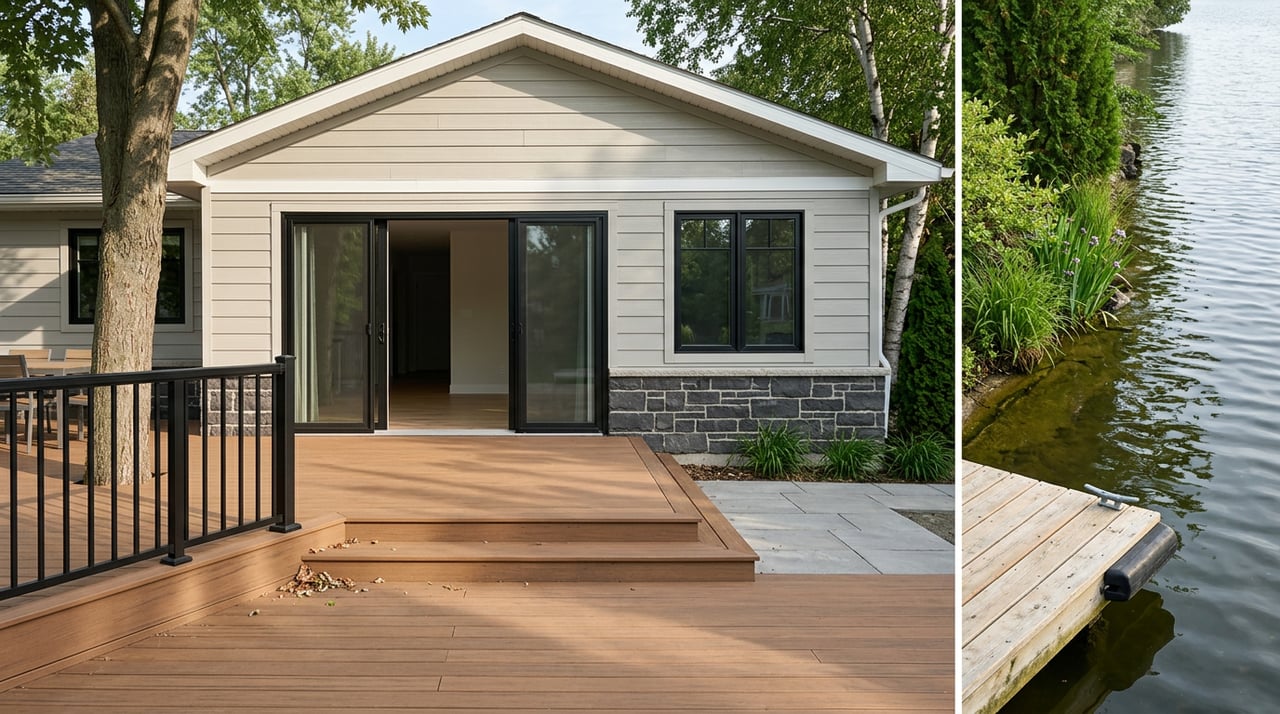
Closer to the water, options range from grand historic houses to newer custom estates. Many of these properties prioritize water frontage, private docks or lifts where allowed, and terraced outdoor spaces. Expect premium pricing for long frontage, unobstructed views, and dock-ready sites. Outdoor rooms, screened porches, and walkout lower levels are common features.
Condos and near-river housing
If you want to live near the river with lower maintenance, downtown-adjacent condos offer walkable access to the Riverwalk and Voyageur Park. Beyond the immediate riverfront, nearby neighborhoods include mid-century single-family homes and newer subdivisions. These areas still give you quick access to the trail and downtown while offering a broader price range.
How river proximity changes home life
Living on or near the river shapes both your outdoor spaces and your weekend routines. Patios and decks are often oriented to the water. Four-season sunrooms or screen porches extend the shoulder seasons. Where allowed, private docks and lifts turn boating into a quick after-work activity. These features also add maintenance, from seasonal dock removal to shoreline care and occasional permitting.
Dock rules in Wisconsin
Wisconsin sets state-level guidance on piers and exemptions. Many small piers built to the DNR’s Pier Planner specifications may be placed without an individual permit. Larger or non-standard structures, dredging, or waterwork projects usually require permits. Legacy piers placed before April 17, 2012 are generally recognized if they do not interfere with public interests. Always confirm whether an existing pier is permitted, exempt, or legacy. Review the DNR Pier FAQ and exemptions.
Local zoning and design
Municipal and county rules can add setbacks, pierhead lines, slip limits, and shoreland zoning overlays. De Pere’s planning work along the river also addresses trail access and mixed-use patterns that can affect building, shoreline work, and site layout. Check with city and county planning and permit staff for site-specific guidance. You can preview how local design standards interplay with the corridor in this planning reference document.
Flood risk and insurance
FEMA map updates in Brown County have shifted many structures in or out of mapped flood zones. Your map position affects lender requirements and flood-insurance premiums, so verify the property’s FEMA FIRM panel and confirm with the local zoning office or county GIS. Recent reporting highlights the savings some owners have seen after remapping, so it is worth checking early. Read about the regional FEMA map changes and impacts.
Shoreline stabilization and vegetation
Shoreline conditions vary. Some owners install stone riprap or engineered revetments. Others use vegetated buffers and native plantings. The Fox River’s flow, local bank slope, and boat wake energy influence what is appropriate. Structural work often requires permits, and softer approaches are encouraged through conservation programs. Learn more in the DNR Waterway Permit FAQ.
Seasonal boat traffic and noise
Expect heavier boat traffic during the spring walleye run and on summer weekends, especially near public access points. Winter months are typically quieter and bring a slower, scenic rhythm to the river. For seasonal fishing details and local notices, review the City’s fishing and refuge updates.
A smart buyer checklist
Before you make an offer on a riverfront or near-river property, run through these questions.
- Flood status. Is the property within a FEMA Special Flood Hazard Area? Confirm the FEMA FIRM panel and check lender flood-insurance requirements and premium estimates. See regional background on recent Brown County map changes.
- Riparian rights and dock status. Does the lot include riparian rights? If a dock exists, is it permitted, DNR-exempt, or a legacy pier? Start with the DNR Pier FAQ and confirm details with local staff.
- New dock feasibility. If no dock exists, will a new pier or lift be allowed under state and local rules? Ask about local pierhead lines, setbacks, and whether you would need an individual permit.
- Shoreline condition. Is there riprap, a seawall, or a vegetated buffer? Who is responsible for maintenance? Are there recent permits or engineering reports? The DNR Waterway Permit FAQ outlines common pathways.
- Slip counts and rules. Verify how many boat slips or personal watercraft are allowed based on frontage length, and whether there are association or shared-dock rules.
- Seasonal use and events. Ask about spring walleye run activity, nearby launches, and events at Voyageur Park or the Riverwalk. The City posts seasonal fishing and access notes.
- Utilities and maintenance. Confirm sewer connection and stormwater controls. Ask whether shoreline or dock work could trigger special assessments or HOA rules. For local processes, start with De Pere’s Parks and Recreation resources and the City’s building staff.
- Historic status. If the home falls within a historic district like North Broadway, confirm any exterior-change guidelines. Reference the North Broadway Historic District.
- Trail and downtown access. Note walkability to the Riverwalk, Voyageur Park, and the Fox River State Trail. Review trail details on the DNR’s Fox River State Trail page.
- Market comparables. Work with an agent experienced in waterfront and near-river sales to benchmark pricing for condos, historic homes, and riverfront estates.
Next steps
If riverfront living is on your shortlist, you deserve guidance that blends lifestyle insight with clear, practical steps. Our team helps you evaluate shoreline conditions, confirm dock status, check flood maps, and understand how local rules affect your plans. You will also get curated property access and presentation-first advice on what matters for long-term value. When you are ready to explore the Fox River corridor, connect with the Sandra Ranck Real Estate Collective eXp Luxury to start your search with confidence.
FAQs
Can I build a dock on the Fox River in De Pere?
- Not always. If a proposed pier meets the DNR Pier Planner standards and local ordinances, it may be exempt from an individual DNR permit. Other docks or waterwork typically require permits. Start with the DNR Pier FAQ and speak with local staff early.
Will my lender require flood insurance for a riverfront home?
- If the property is inside a FEMA Special Flood Hazard Area and you use a federally backed mortgage, flood insurance is usually required. Brown County maps were recently revised, so verify your exact parcel. See regional context on map changes and impacts.
Are riverfront homes more expensive in De Pere?
- Yes, direct frontage, private docks, long shoreline, and unobstructed views are premium features. Compare recent riverfront and near-river sales with your agent to understand current ranges.
How close are most riverfront homes to trails and downtown?
- Many riverfront and near-river properties are walkable to the Riverwalk, Voyageur Park, and the Fox River State Trail. Review access and rules on the DNR’s Fox River State Trail page.