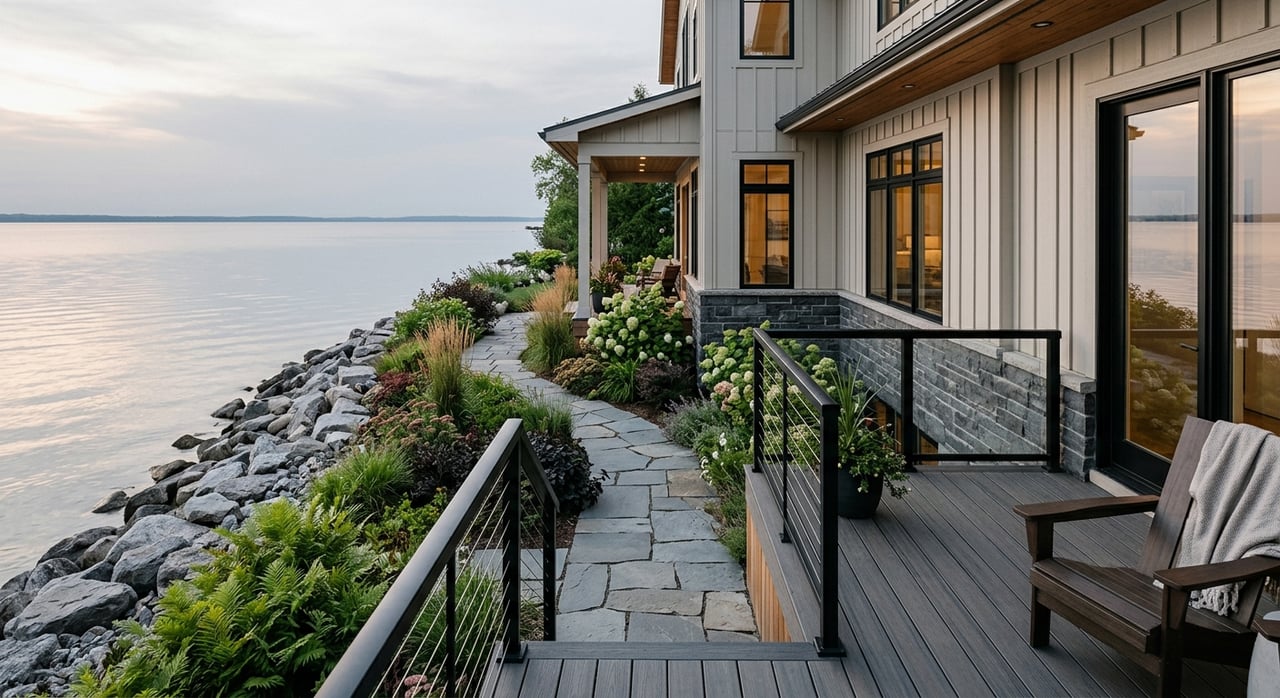
Dreaming about waking up to water views in Suamico? It is easy to fall for the lifestyle first, but waterfront buying here is also about the land itself, the shoreline rules, and the long-term costs that come with a site-specific property. If you are considering a riverfront, bay-adjacent, or shoreline home in Suamico, this guide will help you ask sharper questions and make a more confident decision. Let’s dive in.
Why Suamico Waterfront Stands Out
Suamico offers a true water-oriented setting. Brown County lists the village at 59.42 total square miles, including 23.06 square miles of water, and the Neil L. LaFave Suamico Boat Landing on the Suamico River supports active boating and fishing access to the west shore of Green Bay.
That local setting is a big part of the draw. You may be looking for peaceful views, easier boat access, or a seasonal second home feel close to Green Bay. Still, not every waterfront lot functions the same way, and that difference matters early in your search.
Know Your Waterfront Type
A Suamico waterfront property can look similar in a listing photo while living very differently in real life. A river lot, a bay-adjacent parcel, and a more sheltered inland shoreline can each come with different maintenance needs, water access patterns, and zoning realities.
That is why it helps to treat each property as its own parcel decision, not just a beautiful home with water behind it. Before you focus on finishes or room counts, make sure the lot supports how you actually want to use the property.
Questions to ask about lifestyle use
- Will you keep a boat at the property during the season?
- Where will the boat be stored in winter?
- Is a lift, shelter, pier, or dock allowed on this parcel?
- How much shoreline vegetation can you clear or maintain?
- Will you want stairs, a path, or erosion-control improvements near the water?
Verify Shoreland Rules Early
One of the most important steps in buying waterfront property in Suamico is confirming which shoreland rules apply to the parcel. Wisconsin shoreland standards can apply near navigable lakes, ponds, flowages, and streams, but local communities may administer their own rules and may add standards.
The Village of Suamico has its own waterfront ordinance for lots abutting navigable waters. Current village code sets buildings and structures at least 50 feet back from the ordinary high-water mark, with limited averaging cases that may reduce that to 35 feet.
That is different from state minimum shoreland standards, which generally include a 75-foot setback from the ordinary high-water mark, a 35-foot shoreline buffer with limited clearing, lot width and area minimums for unsewered shoreland parcels, and impervious surface limits of 15 percent unless mitigation allows more. Because village and county rules are not identical, you should confirm the governing jurisdiction before assuming a plan will work.
Why the ordinary high-water mark matters
The ordinary high-water mark, often called the OHWM, can affect setbacks, shoreline use, and even parts of the title review. If the OHWM is unclear, the Wisconsin DNR can review or confirm it.
This is especially important because title companies often exclude rights below the OHWM. On a waterfront purchase, a surveyed shoreline boundary and careful title review are worth close attention.
Understand What May Need a Permit
Many buyers assume permit questions can wait until after closing. On waterfront property, that can be an expensive mistake.
Filling, grading, dredging, ditching, excavation, shoreline stabilization, piers, docks, boathouses, and boat shelters can all trigger approvals from the DNR, local government, or other agencies. Even if a project is exempt from a DNR waterway permit, you may still need floodplain, shoreland, or local zoning approval.
Brown County also notes that after a shoreland permit is issued, it is still the property owner's responsibility to check for any other required permits. That can include agencies beyond the village or county, so permit research should start before you commit to a renovation or shoreline improvement plan.
Boathouse and shoreline structure limits
If a property already has shoreline structures, do not assume they could be rebuilt or expanded in the same form today. In Suamico, village code limits boathouses to one story, 500 square feet, and at least five feet from the OHWM, with no human habitation.
At the state level, new wet boathouses built on or over the waterway bed are generally prohibited. Boat shelters and piers follow separate exemption or permit paths, which makes existing features especially important to verify during due diligence.
Watch for Hidden Site Costs
The biggest surprise in a waterfront purchase is often not inside the house. It is in the land, utilities, and site conditions.
If the home is not connected to municipal sewer, Brown County sanitary regulations apply, and every new private onsite wastewater treatment system requires a sanitary permit. If public water is not available, private wells must meet state construction standards.
For older waterfront homes, that makes septic age, well location, soil conditions, and room for future system work important questions. A charming property near the water can become much more complicated if the site limits repair or replacement options.
Floodplain and environmentally sensitive areas
Brown County treats some environmentally sensitive areas as non-buildable in sewer-service planning. These can include waterways, wetlands, sloping land, floodways, and floodplains.
In the Village of Suamico floodplain ordinance, development in regulated floodplain areas must comply with the chapter, and a floodplain development permit is required before work begins. In some cases, removing land from the floodplain may require fill at least two feet above the base flood elevation, along with map revision processes.
That matters if you are thinking ahead to additions, detached buildings, grading, or site changes. A waterfront lot can be beautiful and still have meaningful limits on what can be built or changed over time.
Plan for Shoreline Maintenance
Many buyers picture opening up the view with more lawn or a cleaner edge at the water. In practice, shoreline areas are often more regulated than expected.
Wisconsin DNR buffer rules limit clear-cutting within the first 35 feet inland from the OHWM. The Village of Suamico similarly limits shoreline cutting in that 35-foot area and requires paths to be built to control erosion.
That means view corridors, stairs, hardscape, and landscaping plans should be reviewed carefully. If a property’s appeal depends on changing the shoreline appearance, make sure that work is actually allowed before you move forward.
Check Financing and Insurance Before You Offer
Waterfront buyers often focus on the property first and the financing details second. In Suamico, it is smarter to check both at the same time.
If a property is in a Special Flood Hazard Area and the loan is government-backed, flood insurance is required. It is also important to remember that homeowners insurance does not cover flood damage.
For second-home buyers, occupancy classification matters too. Fannie Mae classifies a second home as a one-unit property that you occupy for part of the year, that is suitable for year-round occupancy, and that remains under your exclusive control. It cannot be a rental property or a timeshare, and rental income cannot be used to qualify if the loan is being delivered as a second home.
If you are considering occasional rental use, settle that question with your lender before writing an offer. It can affect both loan structure and expectations for the property.
Best Pre-Offer Questions to Ask
When you tour a waterfront property in Suamico, bring a due diligence mindset with you. These are some of the most useful questions to ask early:
- Which jurisdiction governs this parcel: the Village of Suamico or unincorporated Brown County?
- Where is the ordinary high-water mark?
- Does any part of the site sit below the OHWM?
- Is the lot in a floodplain, wetland, or environmentally sensitive area?
- Is the home served by municipal water and sewer, or does it rely on a private well and septic system?
- Are existing docks, lifts, boathouses, or shoreline structures legal, nonconforming, or grandfathered?
- Will the lender classify this property as a primary home or second home?
- Will flood insurance be required for the loan?
A Smarter Way to Evaluate Waterfront Homes
The best way to buy waterfront property in Suamico is to evaluate the shoreline, zoning, floodplain, utilities, and financing as one connected package. When those pieces line up, you can enjoy the lifestyle with more confidence and fewer surprises after closing.
That kind of clarity matters even more in a market where waterfront inventory can feel emotional and highly specific. A beautiful setting should inspire you, but the right due diligence helps protect your investment and your plans for the property.
If you are considering a waterfront home in Suamico or elsewhere in Brown County, the team at Sandra Ranck Real Estate Collective offers thoughtful, high-touch guidance for buyers who want both lifestyle fit and site-level confidence.
FAQs
What should you verify before buying waterfront property in Suamico?
- You should verify the governing jurisdiction, the ordinary high-water mark, floodplain or wetland status, water and sewer service, shoreline structure legality, and lender insurance requirements.
How do shoreland setbacks work for Suamico waterfront lots?
- Village of Suamico code sets buildings and structures at least 50 feet from the ordinary high-water mark, with limited cases that may allow reduced averaging to 35 feet, while other state minimum standards may differ depending on jurisdiction.
Can you clear trees and expand the lawn near the shoreline in Suamico?
- Shoreline clearing is limited, and both Wisconsin DNR rules and Village of Suamico standards restrict cutting within the first 35 feet inland from the ordinary high-water mark.
Do Suamico waterfront homes always need flood insurance?
- Not always, but if the property is in a Special Flood Hazard Area and the loan is government-backed, flood insurance is required.
Why are septic and well questions important for older Suamico waterfront homes?
- If municipal sewer or water is unavailable, the property may rely on a private septic system and well, so age, location, soil conditions, and future replacement space can all affect long-term cost and usability.
Can existing docks or boathouses on a Suamico waterfront property be assumed legal?
- No, you should verify whether existing shoreline structures are legal, nonconforming, grandfathered, or subject to current permit and zoning limits.